
Learn how to choose an electrical cabinet seal for doors and enclosures based on profile type, compression ratio, material and environmental conditions.
Electrical cabinet seals help reduce the effects of dust, moisture and the outdoor environment by closing the gap between the door and the enclosure in a controlled way. Choosing the right seal depends not only on the profile dimensions but also on the door geometry and the operating environment.
Which Profile Types Are Used for Cabinet Seals?
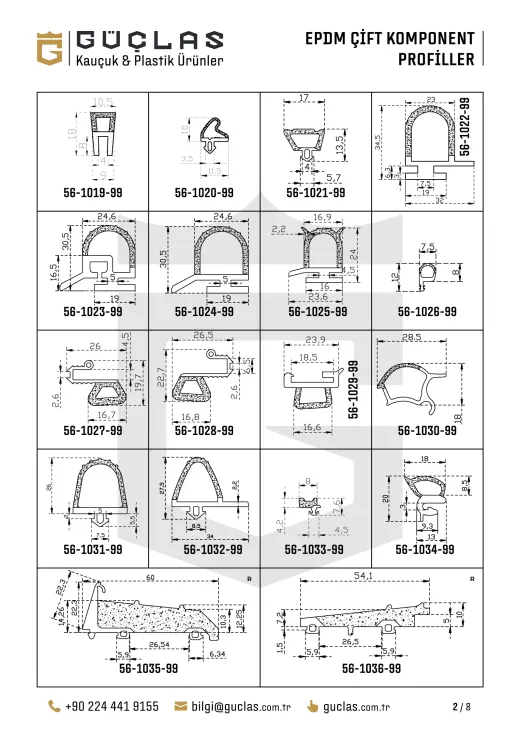
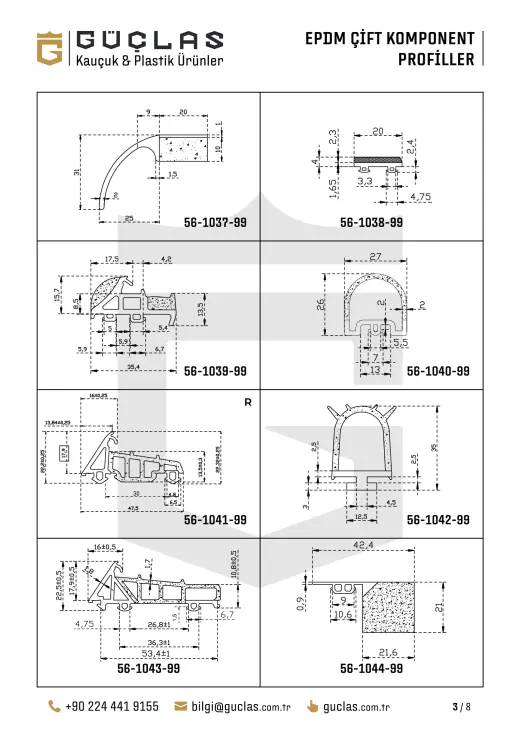
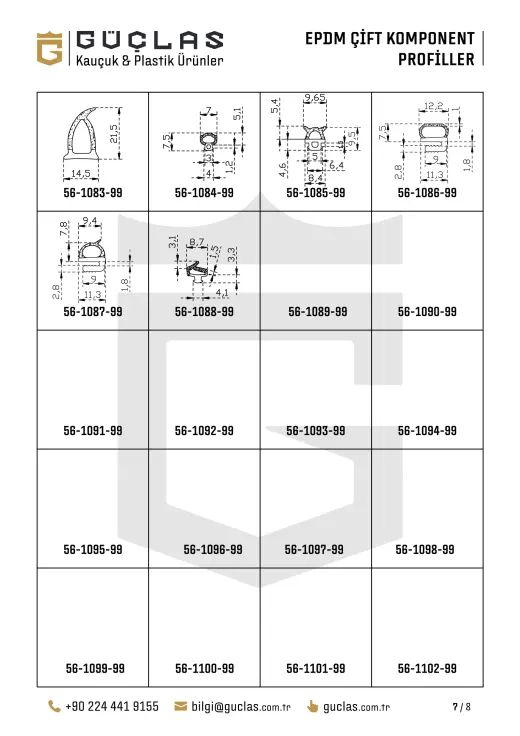
Depending on the application, sponge EPDM profiles, self-adhesive sponge seals, push-on bulb profiles or custom section elastomer gaskets can be used. The mounting method and the amount of compression when the door is closed are decisive in the selection.
Balancing Compression and Closing Force
If the seal is not compressed enough, gaps may remain along the sealing line. Excessive compression, on the other hand, can make the door hard to close, put extra load on the hinges and lock, and cause premature deformation of the profile.
Corners and Joints
Corners are critical areas on cabinet doors. The seal must run continuously, corners must be formed correctly and no gaps should be left at joints.
Indoor vs. Outdoor Use
For cabinets used outdoors, factors such as temperature changes, sunlight, rain and humidity become more important in material selection. The right elastomer and profile geometry should therefore be evaluated together.
For general sealing criteria, see our guide How to Choose a Dust Seal.
Choosing a Cabinet Seal with Güçlas
By sharing the door dimensions, mounting surface, operating environment and any existing seal sample with Güçlas, you can evaluate suitable profile alternatives.